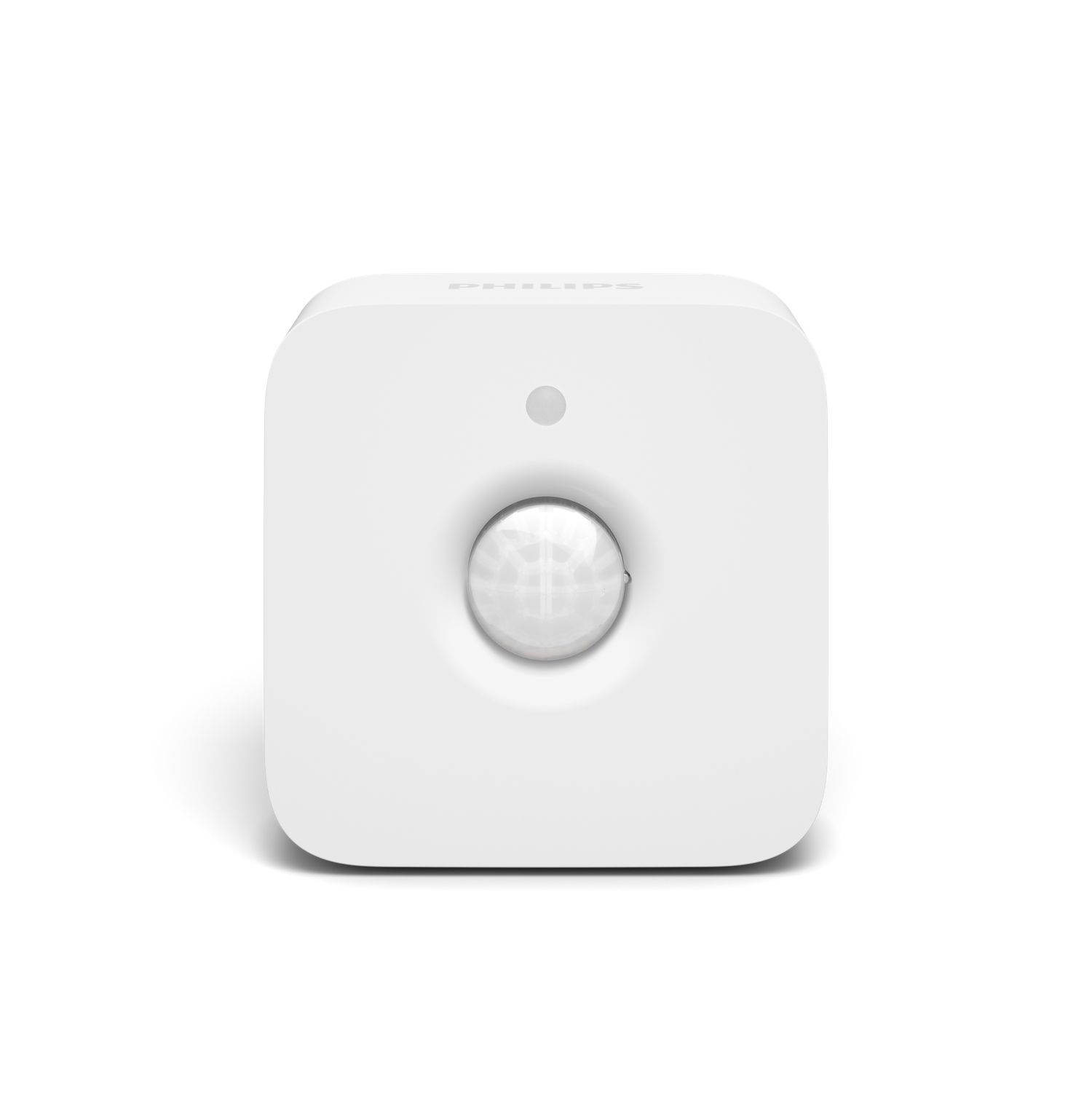
Disclosure: This page contains affiliate links. We may earn a commission if you make a purchase. See our full affiliate disclosure.
Pros & Cons
Pros
- + Exceptional 2+ year battery life
- + Built-in temperature sensor for climate automations
- + Reliable Hue ecosystem integration
- + Adjustable daylight sensitivity threshold
- + Solid build quality with magnetic mount
Cons
- – Overpriced at $40 compared to Aqara P1
- – Best features locked to Hue ecosystem
- – Response time noticeably slower than Aqara P1
- – Large form factor compared to competitors
Best Price for Philips Hue Motion Sensor
$39.99
Check Price on Amazon →Affiliate link — see disclosure
What Real Users Say
R u/hue_devotee on r/homeautomation"If you're in the Hue ecosystem, this sensor just works. Battery lasts over two years and the temperature sensor is great for HVAC triggers."
R u/budget_smart_home on r/smarthome"Hard to recommend at $40 when the Aqara P1 does the same job for $20. Only makes sense if you already have a Hue Bridge."
A SmartHomeDad on Amazon"Set it and forget it. Changed the battery once in two years. Works perfectly with my Hue lights."
The Philips Hue Motion Sensor scores 70/100 in community sentiment, earning a “featured” rating with a clear caveat: it shines inside the Hue ecosystem but struggles to justify its price outside of it. If you already own a Hue Bridge, this sensor delivers unmatched reliability and battery life.
The Hue Ecosystem Advantage
The Hue Motion Sensor was designed to work seamlessly with the Hue Bridge, and it shows. Setup takes under a minute through the Hue app, and the sensor integrates directly with Hue scenes and zones. The motion-triggered lighting is smooth and consistent, without the occasional hiccups you get pairing third-party sensors.
The built-in temperature sensor is the hidden gem. Community members frequently cite it as a useful addition for climate-based automations — triggering fans when a room gets warm or sending alerts if a garage drops below freezing.
Battery Life: The Clear Winner
Where the Hue sensor truly separates itself is battery life. Community reports consistently cite 2+ years on a pair of AAA batteries. Compare that to the Aqara P1’s 3-6 month CR2450 lifespan, and the Hue sensor wins this metric handily.
For users deploying multiple sensors across a home, the battery maintenance difference is substantial over time.
The Price Problem
At $39.99, the Hue Motion Sensor costs twice as much as the Aqara P1 and lacks the P1’s illuminance sensor granularity. Community sentiment is clear: unless you are already invested in Hue, this premium is hard to justify.
The response time is also noticeably slower than the Aqara P1, which matters for lighting automations in hallways and staircases where speed is critical.
Integration Notes
Hue Bridge: Full native support. Motion, temperature, and ambient light all exposed.
ZHA/Zigbee2MQTT: Works as a standard Zigbee device outside Hue, but some community members report reduced functionality and occasional pairing issues.
HomeKit: Exposed natively through the Hue Bridge with full automation support.
Where to Buy
Bottom Line
The Philips Hue Motion Sensor is a reliable, low-maintenance sensor that earns its 70/100 score through consistent performance and exceptional battery life. It’s the right choice for Hue households, but the Aqara P1 offers better value for Home Assistant users running ZHA or Zigbee2MQTT.
Sentiment data sourced from r/homeassistant, r/homeautomation, r/smarthome, and Amazon verified reviews. Last analyzed: March 2026.