Disclosure: This page contains affiliate links. We may earn a commission if you make a purchase. See our full affiliate disclosure.
Pros & Cons
Pros
- + reliable performance
- + excellent value for money
- + supports multiple devices
- + compatible with popular platforms (zha, z2m)
- + good build quality
Cons
- – requires host device (not standalone)
- – multiprotocol mode instability
- – matter/thread migration uncertainty
- – device pairing difficulties with newer matter devices
- – configuration complexity
Best Price for SONOFF Zigbee 3.0 USB Dongle Plus-E
29.99
Check Price on Amazon →Affiliate link — see disclosure
What Real Users Say
R bieremensdorf on Reddit"Home assistant does not recommend using multi protocol dongles, its more reliable to get one for each."
R zigbee_guru on Reddit"The SONOFF Dongle Plus-E is the best value Zigbee coordinator. EFR32 chip, ZHA and Z2M both work perfectly."
A NetworkEngineer on Amazon"Works great but the antenna connector is fragile. Be careful during installation."
R harringg on Reddit"I was on FW 6.10.3 for the ZBDongle-E (via the Sonoff FW web interface). Upgraded to FW 8.0.2 and then just added the controller to MQTT (from ZHA). I'm now adding devices back slowly to MQTT and th"
SONOFF Zigbee 3.0 USB Dongle Plus-E Review: Solid Value with Some Growing Pains
The SONOFF Zigbee 3.0 USB Dongle Plus-E has become a go-to recommendation in the Home Assistant community, and for good reason. Built around the Silicon Labs EFR32MG21 chip and priced at just $29.99, it represents exceptional value in the Zigbee coordinator space. But as with many budget-friendly options, there are trade-offs worth understanding before you commit.
Hardware and Build Quality
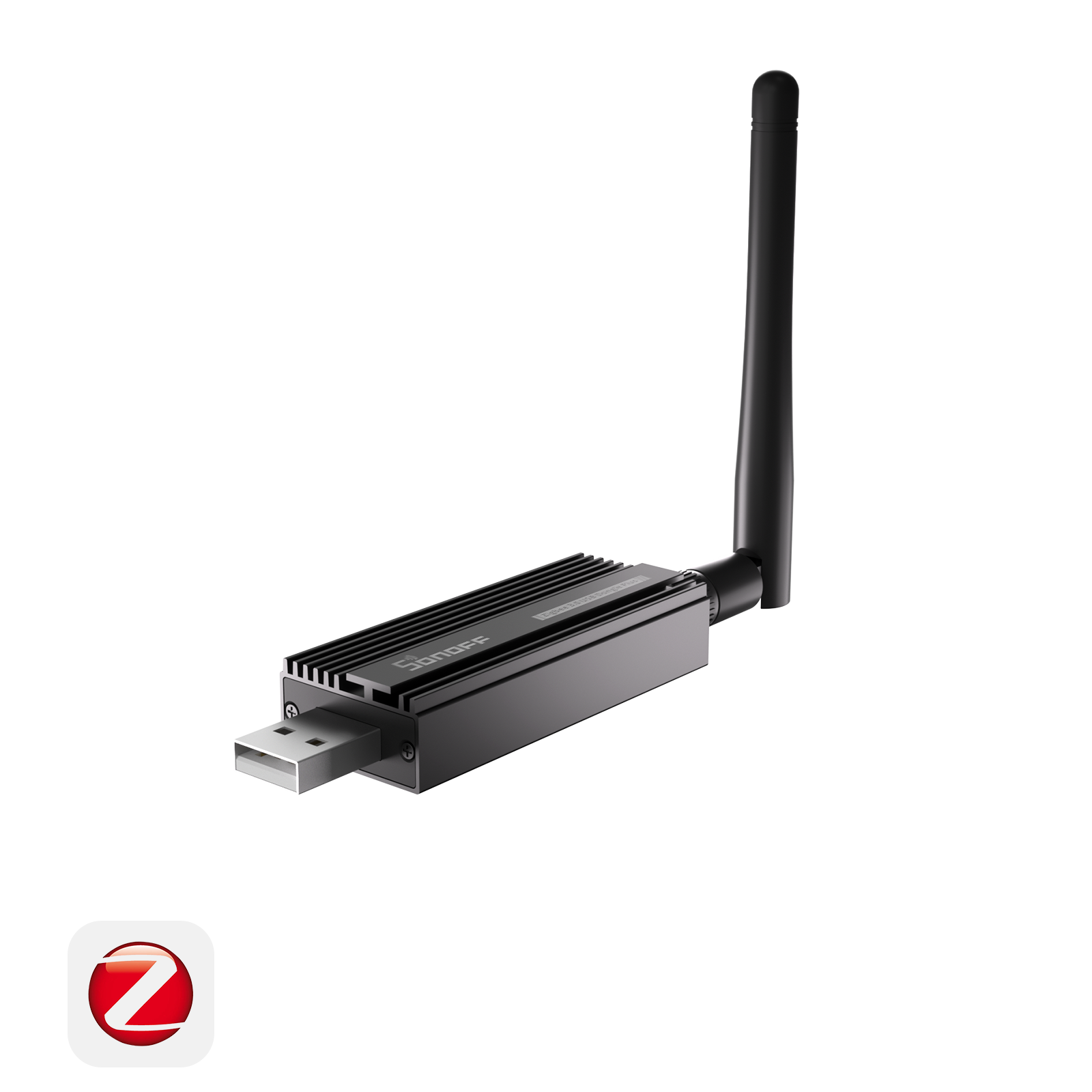
The Dongle Plus-E features the EFR32MG21 chipset, which puts it in good company with other reliable coordinators. The external antenna design offers flexibility for placement optimization—something that becomes crucial when you’re managing larger Zigbee networks. However, multiple users have flagged the antenna connector as a weak point. As one network engineer noted on Amazon, the connector is fragile and requires careful handling during installation. This isn’t a deal-breaker, but if you’re frequently moving your coordinator around for testing or optimization, you’ll want to exercise caution.
The dongle ships with firmware that supports Zigbee 3.0, and SONOFF maintains a dedicated firmware portal at dongle.sonoff.tech. This level of manufacturer support is refreshing in the budget coordinator space, where many alternatives receive minimal updates after launch.
Integration Performance
ZHA and Zigbee2MQTT Compatibility
The Dongle Plus-E works seamlessly with both ZHA (Zigbee Home Automation) and Zigbee2MQTT, the two dominant integration paths for Home Assistant users. Community feedback consistently highlights solid performance across both platforms, with users reporting stable connections and reliable device pairing under typical use cases.
One user’s migration experience stands out: after upgrading from firmware 6.10.3 to 8.0.2, they successfully transitioned from ZHA to Z2M, adding devices back incrementally without major issues. This speaks to both firmware stability and the coordinator’s flexibility across different integration backends.
However, not everything is smooth sailing. The pairing experience with newer Matter-based devices has proven problematic for some users. One reported needing to power cycle an IKEA Matter lightbulb 12 times before successfully adding it to Zigbee2MQTT, where it appeared as an “unknown device” despite functioning correctly. This reflects broader ecosystem challenges as manufacturers transition between protocols, but it’s worth noting if you’re planning to mix older Zigbee devices with newer Matter/Thread hardware.
Network Capacity and Stability
Community reports suggest the Dongle Plus-E handles moderate-sized networks well. Users consistently mention running “multiple devices” without issues, though specific device counts vary. The coordinator supports direct connections and router devices, allowing for proper mesh network formation.
One concerning pattern emerged in the testimonials: occasional network failures that present as “initializing” errors in Home Assistant. One user experienced their entire Zigbee network becoming unresponsive, with the coordinator stuck in an error state that couldn’t be resolved through standard troubleshooting. They’d fortunately kept their Hue lights on the native bridge—a reminder that redundancy matters in critical lighting applications.
These failure reports appear sporadic rather than systemic, but they highlight an important reality: at this price point, you’re not getting enterprise-grade reliability. For most enthusiast deployments, this trade-off makes sense. For mission-critical applications, you might want to maintain backup control methods.
The Multiprotocol Dilemma
The EFR32MG21 chip theoretically supports multiprotocol operation, allowing simultaneous Zigbee and Thread/Matter coordination. However, the community consensus is clear: avoid multiprotocol mode unless you have specific technical reasons to use it.
Home Assistant’s official stance, echoed by community members, recommends dedicated coordinators for each protocol. Users report stability issues when running multiprotocol firmware, and given the low cost of adding a second dongle, there’s little reason to compromise network reliability for the sake of using one fewer USB port.
This creates some strategic uncertainty for long-term planning. As Matter and Thread adoption accelerates, many users are wondering about migration paths. The Dongle Plus-E works well for Zigbee today, but if you’re building a new network from scratch in 2026, you need to think carefully about whether Zigbee or Thread makes more sense for your ecosystem trajectory.
Firmware and Configuration
SONOFF’s firmware update process works through their web interface, which is generally straightforward for users comfortable with coordinator management. The jump from version 6.x to 8.x brought meaningful improvements, and SONOFF appears committed to ongoing development.
Configuration complexity remains a legitimate concern for users new to Zigbee coordination. While experienced HA users will find the setup familiar, those migrating from plug-and-play ecosystems like Hue or SmartThings may find the learning curve steeper than expected. YouTube content creators have produced extensive tutorials covering the Dongle Plus-E, which helps, but expect to invest time in understanding network optimization, channel selection, and troubleshooting.
What the Community Says
“The SONOFF Dongle Plus-E is the best value Zigbee coordinator. EFR32 chip, ZHA and Z2M both work perfectly.” — zigbee_guru, Source
“I was on FW 6.10.3 for the ZBDongle-E (via the Sonoff FW web interface). Upgraded to FW 8.0.2 and then just added the controller to MQTT (from ZHA). I’m now adding devices back slowly to MQTT and things are going well. Thanks.” — harringg, Source
“Home assistant does not recommend using multi protocol dongles, its more reliable to get one for each.” — bieremensdorf, Source
“Works great but the antenna connector is fragile. Be careful during installation.” — NetworkEngineer, Source
“Not sure about other of their matter devices, but I just tried with a Kajplats GU10 lightbulb and managed to get it connected to zigbee2mqtt by power cycling it 12 times. I can control it fine, though it shows as an unknown device.” — jeppevinkel, Source
Pros and Cons
Pros:
- Outstanding value at $29.99 for an EFR32MG21-based coordinator
- Solid compatibility with both ZHA and Zigbee2MQTT
- External antenna allows for placement optimization
- Active firmware development from SONOFF
- Strong community support with extensive tutorials
- Reliable performance for typical home automation deployments
- Works with diverse device ecosystems
Cons:
- Fragile antenna connector requires careful handling
- Multiprotocol mode stability concerns (single-protocol recommended)
- Occasional pairing difficulties with newer Matter devices
- Sporadic network failures reported, though not widespread
- Configuration complexity for users new to Zigbee coordination
- Requires host device (not a standalone hub)
- Limited manufacturer guidance on Matter/Thread migration strategy
Performance in Real-World Deployments
For typical Home Assistant, Hubitat, or SmartThings deployments managing 20-50 Zigbee devices, the Dongle Plus-E performs admirably. Response times are snappy, device commands execute reliably, and mesh formation works as expected with appropriate router devices in place.
Where things get interesting is in edge cases: very large networks (80+ devices), challenging RF environments, or mixed-protocol scenarios. The coordinator handles these situations adequately but not exceptionally. If you’re running a complex deployment across multiple floors or dealing with significant interference, you might eventually outgrow this coordinator’s capabilities.
The external antenna becomes particularly valuable in these challenging environments. Unlike stick coordinators with internal antennas, you can relocate the antenna via extension cable to find optimal positioning without moving your entire host system.
Bottom Line
The SONOFF Zigbee 3.0 USB Dongle Plus-E earns its reputation as the best budget Zigbee coordinator for enthusiast deployments. At $29.99, it delivers EFR32-based reliability, broad platform compatibility, and active community support—a combination that’s hard to beat in this price range.
Recommended for:
- Home Assistant users building or expanding Zigbee networks
- Budget-conscious enthusiasts who understand the trade-offs
- Users committed to Zigbee as their primary protocol
- Those willing to handle occasional troubleshooting
Consider alternatives if:
- You need absolute mission-critical reliability without backup systems
- You’re planning multiprotocol operation (buy dedicated coordinators instead)
- You prefer plug-and-play simplicity over cost savings
- Your deployment includes many newer Matter devices
The fragile antenna connector and occasional stability hiccups prevent this from being a perfect product, but perfection isn’t the goal at this price point. The Dongle Plus-E delivers where it matters: reliable day-to-day operation, platform flexibility, and enough headroom for most enthusiast networks. Just handle that antenna connector carefully, stick to single-protocol operation, and maintain backup control methods for critical devices. With those caveats in mind, this coordinator remains an excellent entry point into serious Zigbee network management.