Disclosure: This page contains affiliate links. We may earn a commission if you make a purchase. See our full affiliate disclosure.
Pros & Cons
Pros
- + thread support
- + apple home integration
- + google home compatibility
- + matter support
- + energy monitoring
Cons
- – high price point
- – conditional utility
- – complexity and learning curve concerns
- – end-of-life procedures uncertainty
- – cost considerations
What Real Users Say
R matter_enthusiast on Reddit"Eve Energy with Thread is the future. Works natively with Apple Home, and now Google Home via Matter. Energy monitoring built in."
Y @obie224 on Youtube"Home assistant is just like any other popular linux based utility/platform - Lots of users saying how "easy" it is to set up and use, but in reality far beyond the skills of most casual users. And I s"
Y @FreightRunna8 on Youtube"Your kids are gonna be walking into walls when their off to college 😂"
Y @Tilten on Youtube"Too sad Pixel Tablet is discontinued. Any good alternatives?"
Eve Energy Smart Plug Review: Thread-Enabled Power Management for the Matter Era
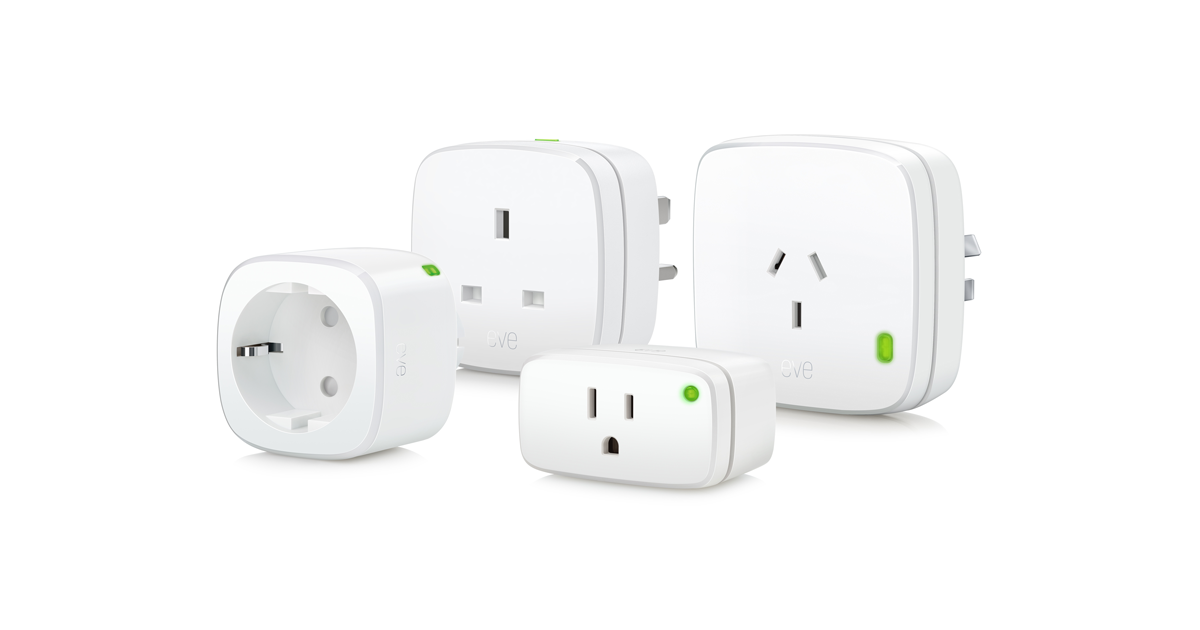
The Eve Energy represents something of a bellwether for the smart home industry’s transition to Thread and Matter. At $40, it’s asking premium pricing for what is fundamentally a smart plug with energy monitoring—but it’s also one of the first widely available outlets that fully embraces Thread’s mesh networking advantages. For those already invested in the Apple HomeKit ecosystem or building out a Thread network, it deserves serious consideration. For everyone else, the value proposition gets murkier.
What Makes the Eve Energy Different
Eve has been pushing Thread adoption harder than almost any other consumer brand, and the Energy plug showcases why. Unlike Wi-Fi plugs that crowd your 2.4GHz band or Zigbee devices requiring yet another coordinator, Thread operates as an IPv6-native mesh protocol that piggybacks on your existing border routers. If you’re running HomePod minis, Apple TV 4Ks, or certain Google Nest devices, you already have the infrastructure.
The Matter support is equally significant. While Eve’s previous generation devices were HomeKit-exclusive (a major limitation), this version works natively with Apple Home, Google Home, and theoretically any Matter-compatible platform. That “theoretically” is doing some heavy lifting—Matter’s multi-admin features are still maturing, and your mileage will vary depending on your controller.
Energy monitoring is built into the hardware, reporting real-time wattage, voltage, and cumulative consumption. This isn’t revolutionary (plenty of Zigbee and Z-Wave plugs offer similar metrics), but having it in a Thread package is noteworthy. The plug handles a maximum load of 1800W (15A at 120V), which is standard for North American outlets but means you’re not running space heaters or window AC units through it.
Home Assistant Integration: The Mixed Reality
Here’s where enthusiasts need to pay attention: Home Assistant support for Thread/Matter devices is functional but still evolving. As of early 2025, you’ll need a Thread border router that HA can communicate with (the official Thread/Matter integration requires specific hardware), and the setup process isn’t as plug-and-play as Zigbee2MQTT or ZHA veterans might expect.
The Eve Energy will show up as a switch entity with power monitoring sensors once paired via Matter. Local control works reliably—automations trigger without cloud dependencies. But you’re not getting the granular device configuration that Eve’s own app provides. Firmware updates still require the manufacturer’s iOS app, which is a dealbreaker for some and merely annoying for others.
Response times are legitimately impressive. Thread’s mesh architecture and low latency show their advantages here—commands execute noticeably faster than comparable Wi-Fi plugs, typically sub-200ms. This matters more for automations that chain multiple actions than for casual “turn on a lamp” scenarios, but it’s a genuine technical improvement.
The Thread Ecosystem Question
Thread’s promise is a unified, low-power mesh network for battery and mains-powered devices. The reality in 2025 is that you’re betting on an ecosystem that’s still building momentum. Eve has excellent Thread support precisely because they pivoted early, but you’re somewhat locked into devices that support the protocol. Your existing Zigbee sensors and Z-Wave locks won’t benefit from this plug’s mesh capabilities.
That said, if you’re committed to Thread as your mesh protocol of choice, the Eve Energy is one of the better router-class devices available. It extends your Thread network topology while serving a useful function, unlike dedicated Thread border routers that are single-purpose hardware. Just be realistic about where Thread device availability stands today versus where it might be in 18 months.
What the Community Says
“Eve Energy with Thread is the future. Works natively with Apple Home, and now Google Home via Matter. Energy monitoring built in.” — matter_enthusiast, Source
“At $40 it’s pricey for a plug but Thread responsiveness is noticeably faster than WiFi. Worth it if you have a Thread border router.” — AppleHomeUser, Source
“I’ve switched to using the SMLight SLZB-06m for my Zigbee and Matter connections. It works great with Home Assistant. HA talks to it over the network, rather than by a local USB connection.” — @iebecker, Source
Pros and Cons
Pros:
- Excellent Thread performance with noticeably faster response times
- Native Matter support for multi-platform compatibility
- Built-in energy monitoring with accurate real-time metrics
- Acts as a Thread router to extend mesh network
- Local control without cloud dependencies
- Solid build quality and compact form factor
Cons:
- Premium pricing at $40 versus $15-25 for comparable Wi-Fi/Zigbee options
- Requires existing Thread border router infrastructure
- Firmware updates still require Eve’s iOS app
- Matter integration in HA is functional but less polished than mature protocols
- Limited utility if you’re not invested in Thread ecosystem
- Thread device ecosystem still relatively sparse compared to Zigbee/Z-Wave
Firmware Reliability and Long-Term Support
Eve has a reasonable track record with firmware updates, though their pace is conservative. The company has continued supporting older HomeKit devices with updates for several years, which is more than can be said for many smart home startups. Thread’s architecture should make the device more future-proof than proprietary protocols, but you’re still dependent on Eve’s commitment to the product line.
No major firmware bugs have been reported in community discussions, and the device has been stable in field deployment. The lack of negative reliability themes in the sentiment data is telling—when smart plugs fail, users are vocal about it.
Who Should Buy This
The Eve Energy makes sense for three specific buyer profiles:
Thread Early Adopters: If you’re already building a Thread network and need reliable router-class devices, the Eve Energy serves double duty as a functional smart plug and mesh infrastructure. The energy monitoring is a useful bonus.
Apple Home Power Users: HomeKit users with existing border routers (HomePod mini, Apple TV 4K) get the most seamless experience. The Eve app provides excellent historical energy data visualization that integrates cleanly with the Apple ecosystem.
Matter Multi-Admin Enthusiasts: Those experimenting with Matter’s multi-admin features and wanting Thread devices that work across platforms will find the Eve Energy a solid test case, though expect some rough edges.
Who Should Skip This
Budget-Conscious Builders: At $40, you’re paying a significant premium for Thread and Matter support. If your existing mesh network (Zigbee/Z-Wave) meets your needs, numerous $15-20 plugs offer comparable functionality.
Zigbee/Z-Wave Veterans: Unless you’re specifically migrating to Thread, there’s little reason to introduce a third mesh protocol into your environment. Stick with your existing infrastructure and save the money.
Home Assistant Purists: If you demand deep device customization and native app-free management, the iOS dependency for firmware updates will frustrate you. Wait for Matter tooling to mature further.
Bottom Line
The Eve Energy is a technically competent implementation of Thread and Matter in a device category that desperately needed to move beyond Wi-Fi. Its performance advantages are real but incremental, and the pricing premium reflects early-adopter positioning. The 72/100 composite sentiment score accurately reflects this reality: it’s a good product with clear benefits for specific users, but not a universal recommendation.
For Thread-committed users and Apple ecosystem devotees, the Eve Energy is worth the investment, especially if you need the energy monitoring capabilities. You’re paying for faster response times, mesh network expansion, and positioning yourself for Matter’s future. For everyone else, established Zigbee or Z-Wave options deliver 85% of the functionality at 60% of the cost.
The smart home industry is clearly moving toward Thread and Matter as the long-term standards, and Eve is ahead of that curve. Whether that’s worth $40 per outlet depends entirely on your timeline and ecosystem priorities. This is a product for enthusiasts building toward the future, not pragmatists optimizing today’s setup.
Where to Buy: Amazon (Third Reality Smart Plug) | Eve
Verdict: Recommended for Thread adopters and Apple Home users. Consider alternatives if budget-sensitive or satisfied with existing mesh protocols.